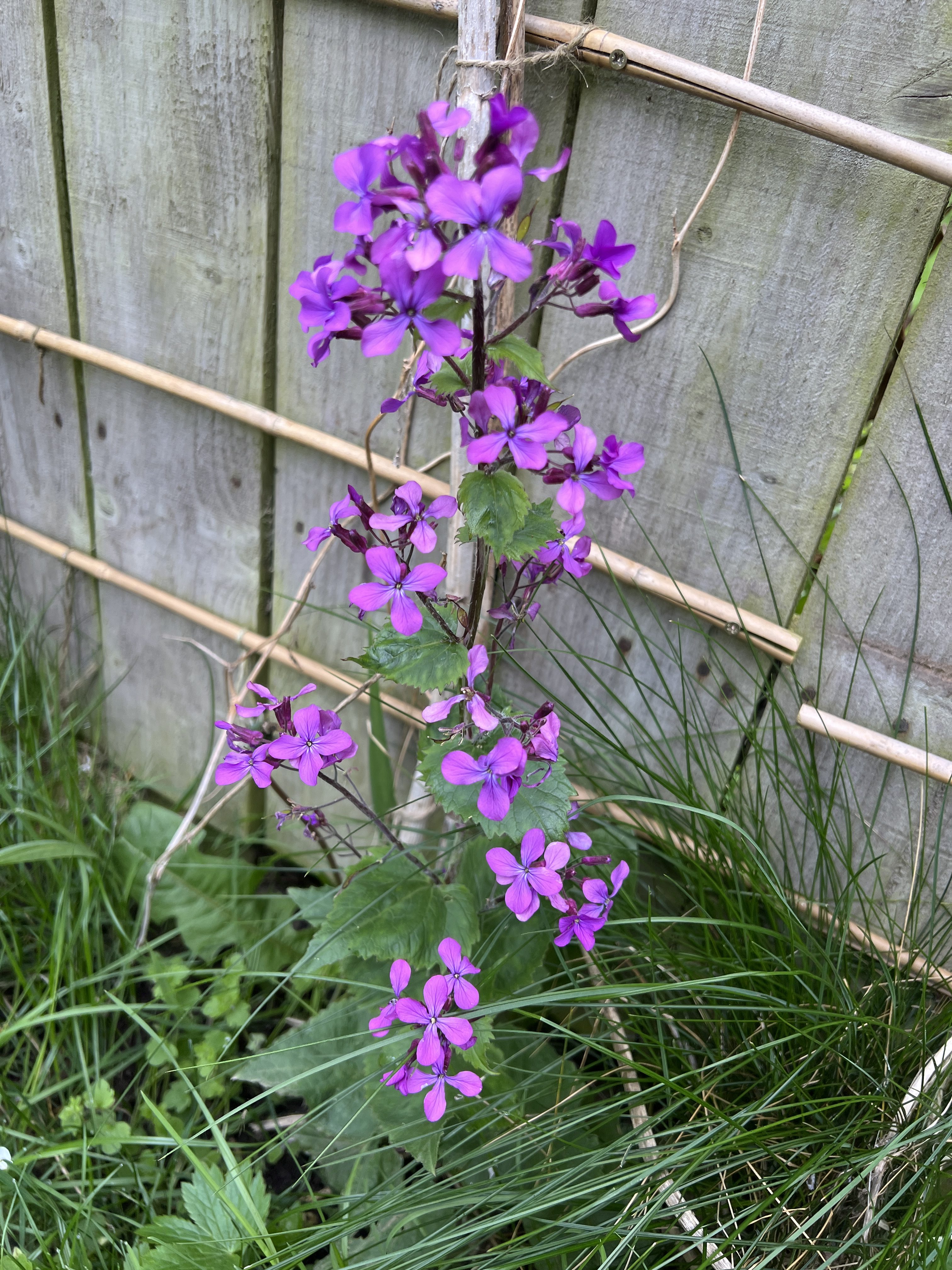
Here are 7 ways to help pollinators like bees, butterflies, birds, and bats play a crucial role in maintaining our ecosystems. They help in the reproduction of many plants, including those that produce the fruits and vegetables we eat. Here are seven effective ways to make your backyard a haven for these vital creatures.

1. Plant Native Flowers
Native plants are adapted to the local environment and are more familiar to local pollinators. They provide the necessary nectar and pollen that bees and other pollinators need. Examples of native flowers include coneflowers, milkweed, and black-eyed Susans. These plants not only support pollinators but also enhance the biodiversity of your backyard.
2. Create Pollinator Habitats
Different pollinators need different types of habitats. Bees, for instance, can benefit from bare patches of soil for ground nesting or from bee hotels that offer a safe place for solitary bees. Butterflies need sunny spots and shelter from the wind. Creating a variety of habitats ensures that your backyard can support a range of pollinators.
3. Provide Water Sources
All pollinators need water to survive. Adding a shallow water source, such as a birdbath with stones for perching, ensures that pollinators can drink safely without the risk of drowning. Keep the water fresh and clean to prevent mosquito breeding.
4. Avoid Pesticides
Pesticides can be extremely harmful to pollinators. Instead of using chemical pest control, opt for natural methods. Encourage beneficial insects like ladybugs, which prey on garden pests, and use companion planting to naturally deter unwanted insects. For instance, planting marigolds can repel aphids and other pests.
5. Plant in Clusters
Pollinators are more attracted to large clusters of flowers than to single plants. Grouping similar plants together in patches makes it easier for pollinators to find and collect nectar. This strategy also creates a more visually appealing garden and maximizes the impact of your planting efforts.
6. Support Year-Round Foraging
To help pollinators throughout the year, plant a variety of flowers that bloom at different times. Early spring flowers like crocuses and snowdrops, summer blooms like lavender and sunflowers, and late-season plants like asters and sedums provide continuous foraging opportunities.
7. Reduce Lawn Area
Lawns typically offer little to no value to pollinators. Consider reducing the size of your lawn and replacing it with flowering plants, shrubs, and trees that provide food and habitat. Wildflower meadows are an excellent alternative to traditional lawns and can be both beautiful and beneficial.
Conclusion
Helping pollinators in your backyard is not only beneficial for the environment but also enriches your outdoor space with beauty and vitality. We hope our 7 ways to help pollinators guide has helped. By planting native flowers, creating diverse habitats, providing water sources, avoiding pesticides, planting in clusters, supporting year-round foraging, and reducing lawn areas, you can make a significant positive impact on local pollinator populations. These actions contribute to a healthier ecosystem and ensure the continued success of these vital creatures.
If you found this confusing:
If you found this confusing. Please let us know in the comments section so we can clear things up for you. We love feedback and we are trying to make the best possible website. If you don’t understand then others don’t as well.
If you found this useful:
If you found this useful maybe check some of our other pages.